5 Nutrition Tips I Wish Every Teen Would Know

Simple nutrition habits to understand and support a healthier relationship with food.
Being a teenager can make eating feel surprisingly complicated.
Between busy school days, sports and activities, social plans, changing appetites, and the
constant stream of nutrition advice online, it can be hard to know what, when, and how you’re actually supposed to eat.
As a dietitian working with teenagers, there are several things I wish more teens understood about nutrition. These aren't rules or another list of foods to avoid, just a few straightforward concepts that can simplify eating.

1. Don't Wait Until You Are Starving to Eat
Have you ever gotten so hungry that suddenly everything sounds so good, and then wondered why you couldn't stop eating?
That's not a lack of willpower. It's often your body's way of telling you that it needed food a while ago.
Going long periods of time without eating can leave you feeling tired, sluggish, distracted, or irritable later in the day. For teens who have school, sports, homework, and activities packed into their schedules, it's especially easy for meals and snacks to get pushed aside.
If you regularly find yourself thinking, “I'm so hungry I could eat everything in the kitchen,” it may be worth looking at whether you're getting enough food earlier in the day.
Eating consistently throughout the day can help you feel more energized and make it easier to recognize and respond to your hunger. I recommend eating every 3-4 hours during the daytime, including 3 larger meals and 2-3 smaller snacks.
Remember, extreme hunger isn't something you need to “control.” It's information from your body tell you to eat sooner.
2. Carbs and Fats Are Not the Enemy
You probably have heard people say that carbs are bad for, or that all fat should be removed from your diet. But that’s not true. Your body needs both carbohydrates and fats to work well, and neither should be totally avoided.
Carbohydrates are an important source of energy, particularly for individuals who are growing and active. They supply crucial fuel for the brain and muscles.
Fats are also critical. Dietary fats aid in hormone production, brain function, the absorption of certain vitamins, maintaining healthy skin and hair, and providing energy.
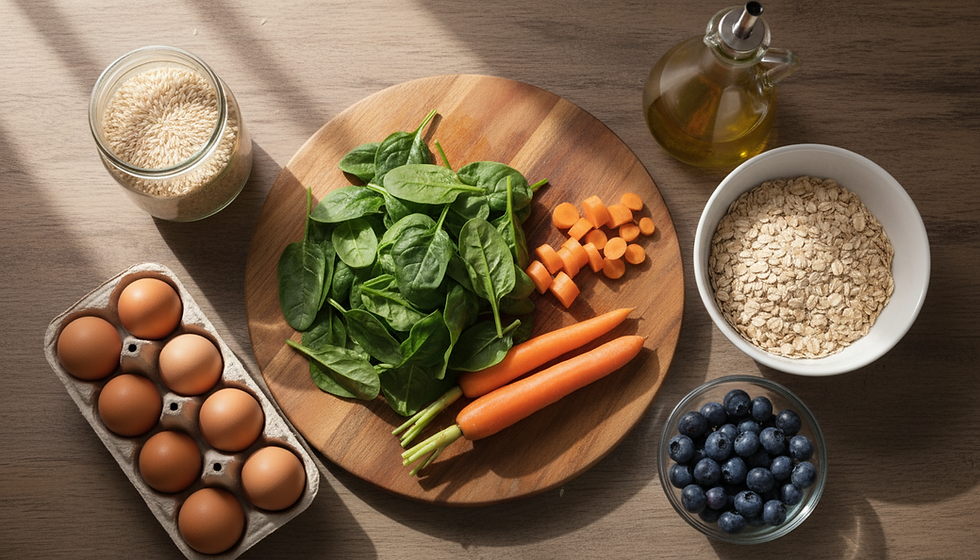
The key is choosing the right types of carbs and fats. Whole grains like brown rice, oats, and whole wheat bread are better choices than white bread or sugary cereals. Healthy fats come from foods like avocados, nuts, seeds, and olive oil.
Avoid thinking of carbs and fats as “bad” or “off-limits.” Instead focus on source, balance and variety.
3. Snacks Should Actually Satisfy You
Snacking isn’t just about stopping hunger, it’s about feeling satisfied so you don’t end up craving junk food later. A snack that combines protein, fiber, and/or healthy fats will keep you feeling fuller for longer. Avoid snacks that are mostly sugar or empty calories, like candy or soda, because they give you a quick energy spike followed by a crash.
Healthy & Satisfying Snack Ideas
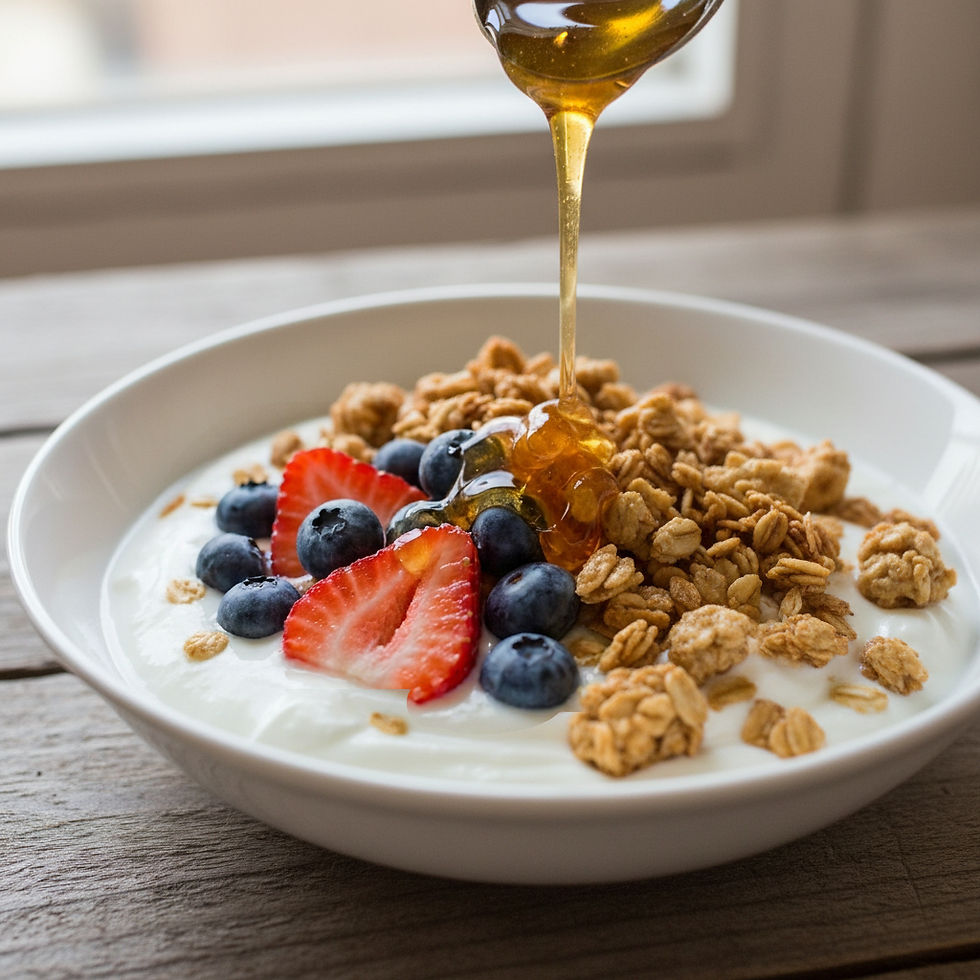
Greek yogurt + granola
Cheese + whole grain crackers
Cottage cheese + fruit
Turkey roll ups + crackers
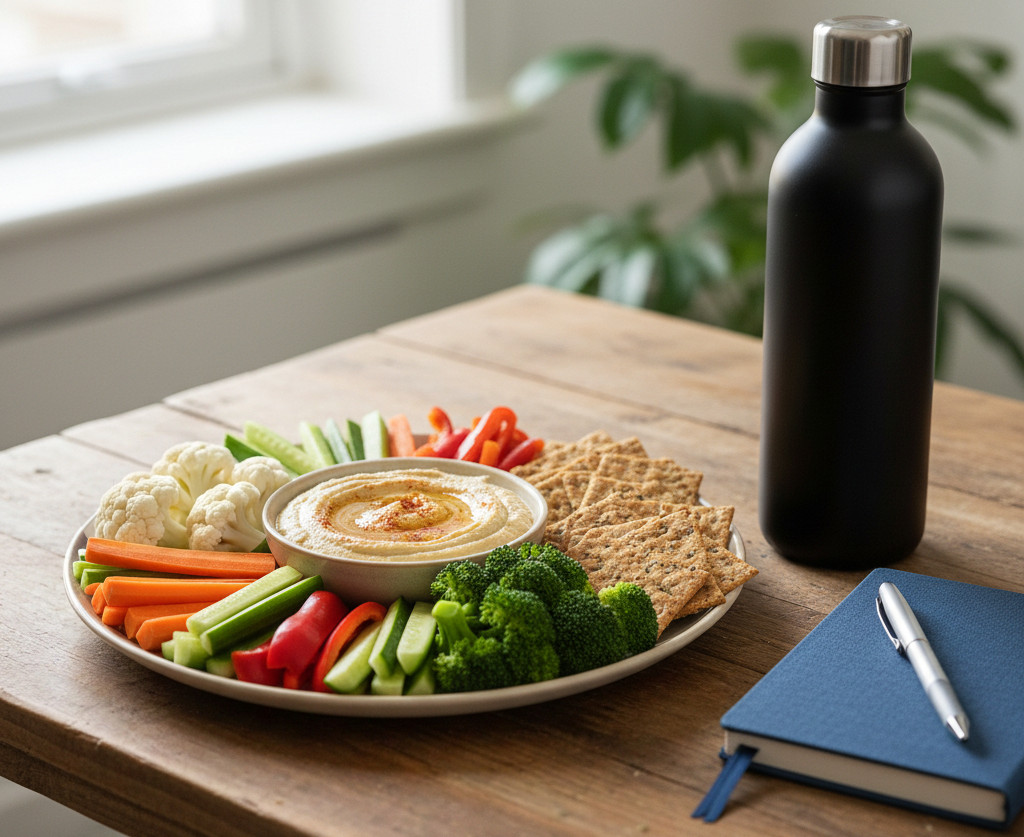
Chummus + carrots or cucumbers
Apple or banana + peanut butter
Granola bar + fruit
Smoothie + Greek yogurt
Remember, snacks are part of your daily nutrition, so make them count.
4. Eating Well Doesn’t Mean Being Perfect
This might be one of the most important things I wish more teens understood.
You can eat whole grains, fruit, vegetables, protein, and other nourishing foods—and also eat pizza. You can have a salad for lunch and ice cream after dinner. You can go to a friend's birthday party and eat the birthday cake.
None of these things make you a “healthy” or “unhealthy” person. Eating well is about balance, not perfection. It’s okay to enjoy your favorite treats sometimes. What matters most is what you eat the majority of the time.
In fact, becoming overly focused on eating “perfectly” can make food feel stressful. You may start worrying about ingredients, feeling guilty after eating certain foods, or avoiding social situations because you don't know what food will be available.
A healthy relationship with food leaves room for flexibility and leaves you feeling satisfied.
5. Learn to Listen to Your Body
Your body gives you signals about what it needs, but those signals can be confusing or inconsistent, especially during your teen years. Sometimes you might feel hungry even if you just ate, or not hungry when it’s time to eat.
Pay attention to how different foods make you feel. Do you feel energized after eating breakfast? Does a sugary snack make you crash later? Learning to listen to your body helps you make better choices.
It’s normal for hunger and appetite to change day to day. Trust yourself and adjust your eating based on what feels right.
Final Thoughts
The goal is not perfection; it is confidence around food.
By eating before you get starving, understanding the importance of consuming all the food groups, choosing satisfying snacks, allowing yourself flexibility, and tuning into your body, you can build healthy habits that last a lifetime. Start small, enjoy your food, and remember that good nutrition is about feeling your best every day.
Try one of these tips today and see how it changes your energy and mood. Your body will thank you!
And if food has started to feel stressful, confusing, or overwhelming, you don't have to figure it out alone. At Nourish by Michal Bane, we work with teens and adults to build a more confident, flexible relationship with food—without rigid rules or unnecessary restriction.


Comments